Many companies read ISO 10218 as "the cobot standard." The cost of that one sentence lands on the people who should read it first — manufacturers running conventional industrial robots, who conclude the document has nothing to do with them. The 2025 titles say otherwise: Industrial robots, and Industrial robot applications and robot cells. ISO 10218 is the safety standard for industrial robots in general, and collaborative applications are one form of use inside it.
Is ISO 10218 a standard for collaborative robots only?
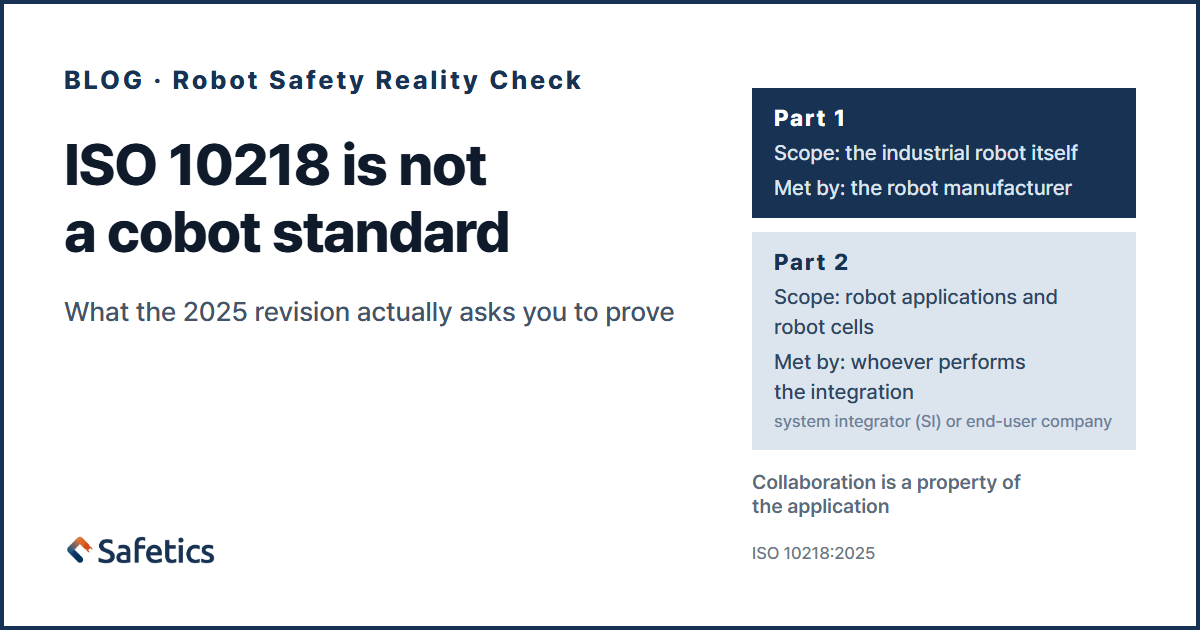
No. The revised foreword states that the terms "collaborative robot" and "collaborative operation" are not used in the body text (per the published foreword of ISO 10218-1:2025). The reason is not tidier vocabulary. It is the object of verification. Collaboration is a property of the application, not of the robot, and what is verified and validated is the application.
The structure of the two parts follows from that. Part 1 addresses the industrial robot itself, and the party that meets its requirements is the robot manufacturer. Part 2 addresses robot applications and robot cells — the configuration in which a robot actually does work on a floor — and the party that meets its requirements is whoever performs the integration. In practice that is usually a system integrator (SI); where an end-user company integrates on its own, responsibility sits with that company. Both are Type-C standards resting on the risk-reduction framework of ISO 12100.
Because the applications and cells of Part 2 run on the end-user company's floor, outsourcing the installation does not make that company unrelated to this document. Who carries the legal duty for the application risk assessment does differ by market: in the EU it follows manufacturer status for the final machinery; in Korea it sits with the business owner of the end-user company, under Article 36 of the Occupational Safety and Health Act; the United States codified user requirements in a part of its own. What does not differ is that the safe operating state the standard requires has to exist on the floor where the robot runs. That is why companies aware of the requirement move verification and certification into their terms of supply.
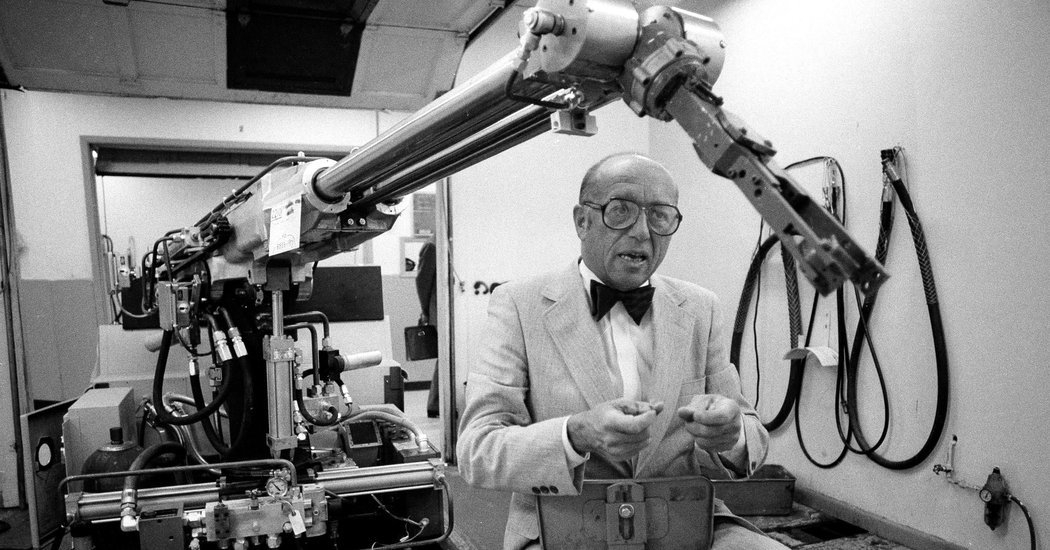
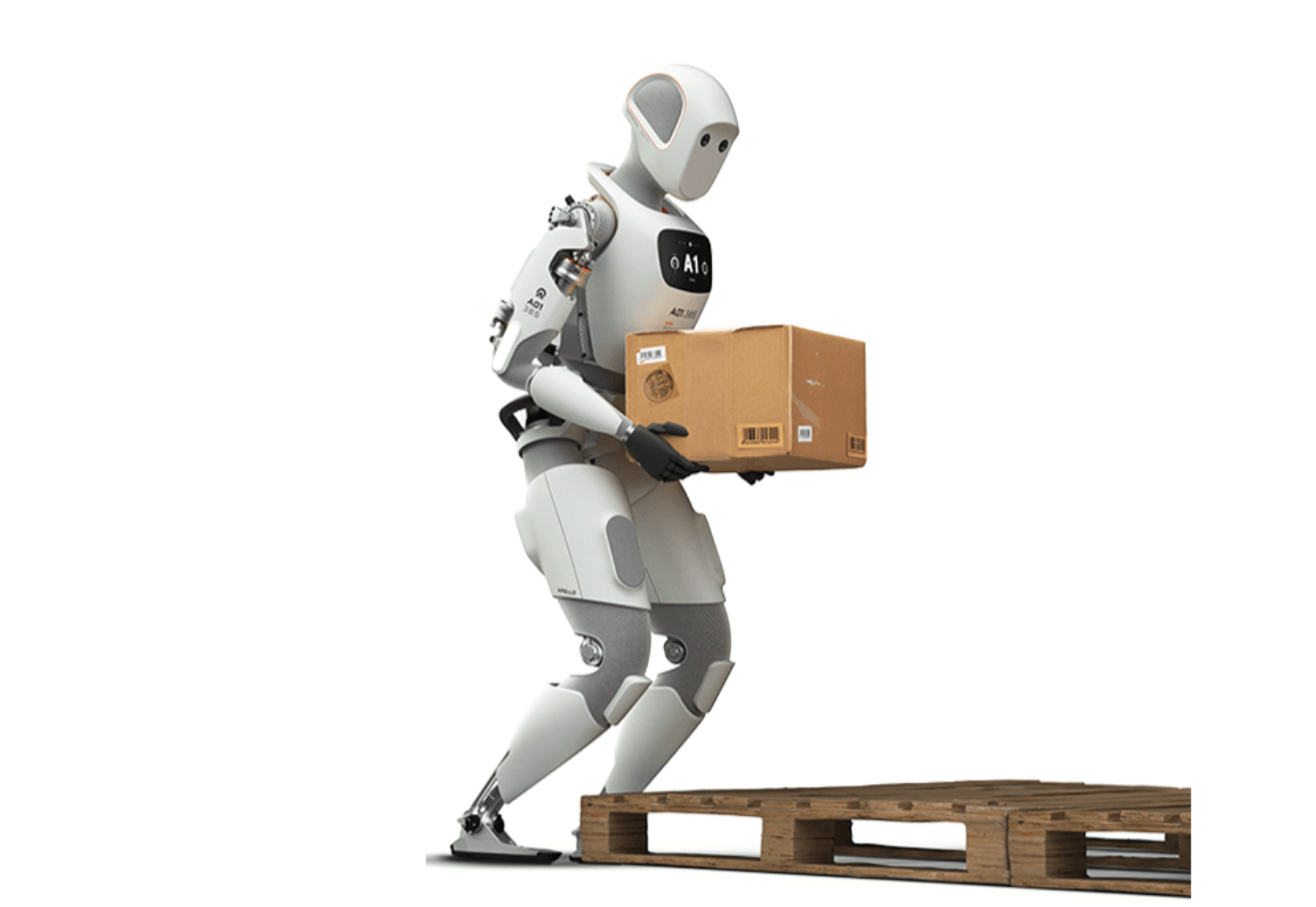
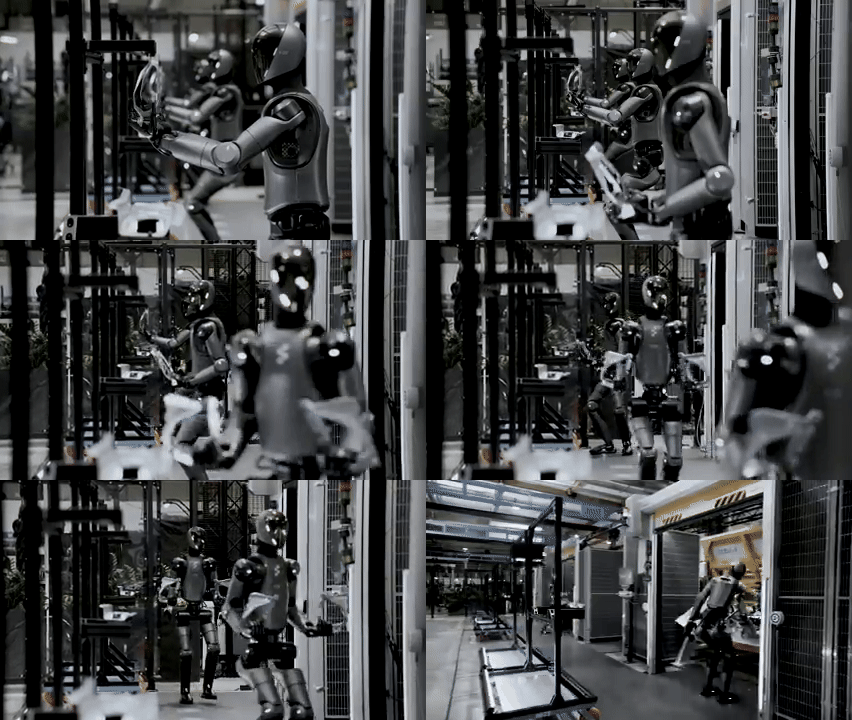
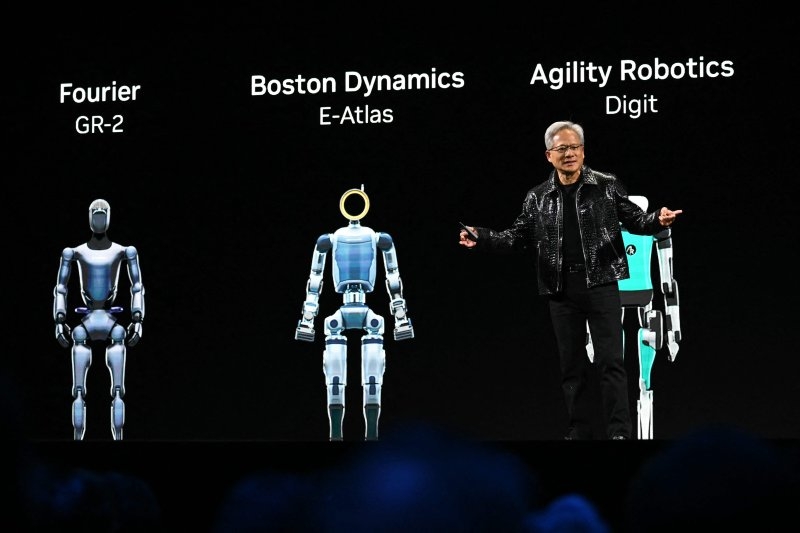
So the reach is wide. A company running conventional industrial robots behind safeguards is an addressee. A mobile manipulator's arm falls under ISO 10218 independently of the mobile platform, and Korea's KS B 7327 likewise refers to 10218 for the arm. What lies outside that reach is dynamic stability: the safety standard for dynamically stable industrial mobile robots, humanoids included (ISO/CD 25785-1), is still under development.
What moved inside the document in the 2025 revision?
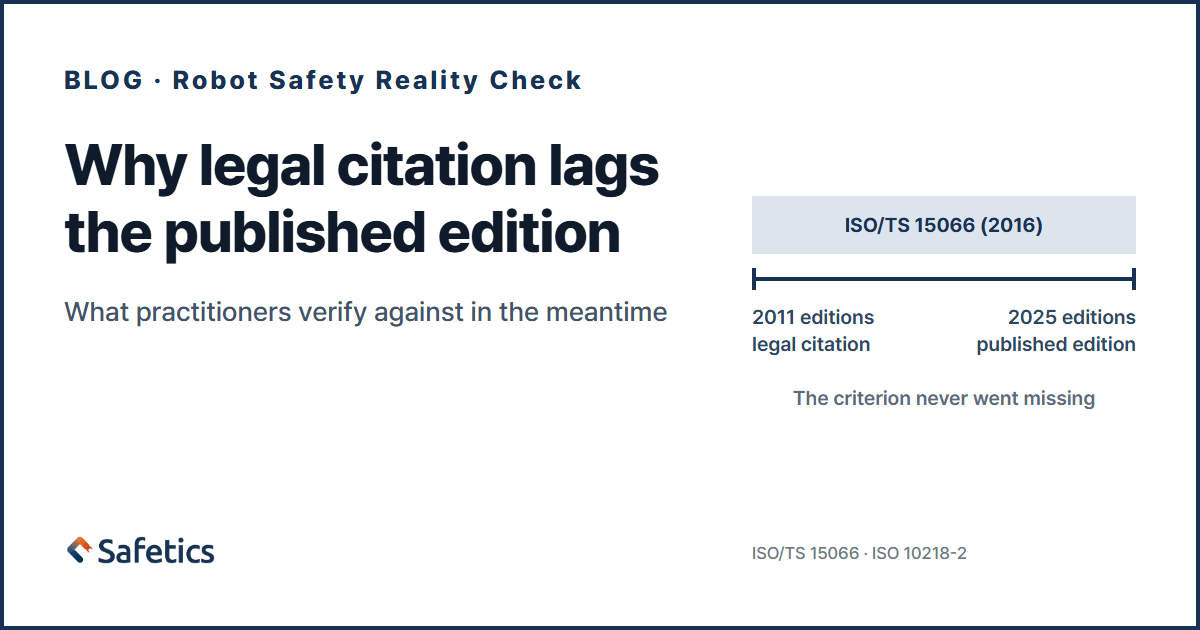
ISO/TS 15066 (2016), the technical specification that had governed collaborative applications, was consolidated into the main standards in the revision published in February 2025 — most of it into Part 2. The contact-limit figures moved with it. Body-region force and pressure values grounded in pain-onset research now sit in an annex; the quasi-static maximum for the hand and fingers is reported at 140 N, the same value as in TS 15066 (per broad industry reporting). Note where the two things sit. The figures are in an annex, and that annex is informative rather than normative. The obligation to verify and validate is not — it is in the body of the standard, in the clause that governs verification and validation. So the annex's status softens nothing. It means what you have to show is not that you matched a published number, but that contact in your application stays within the permissible limits, demonstrated by verification.
Three things make this document the hub of robot safety. First, it is the source of the technical requirements — three markets point at it, each through a legal mechanism of its own. Second, it is the only one of those documents that says how. Law states what must be met; the standard states how to demonstrate it. The document lying open on a practitioner's desk is the standard, not the law. Third, the numbers carry through: the 2011 editions laid down the conceptual frame of collaborative operation, TS 15066 turned pain-onset research into figures in 2016, and the 2025 editions brought those figures inside the main standards. Editions change; what a human body can tolerate does not.
What do you have to prepare to answer it?
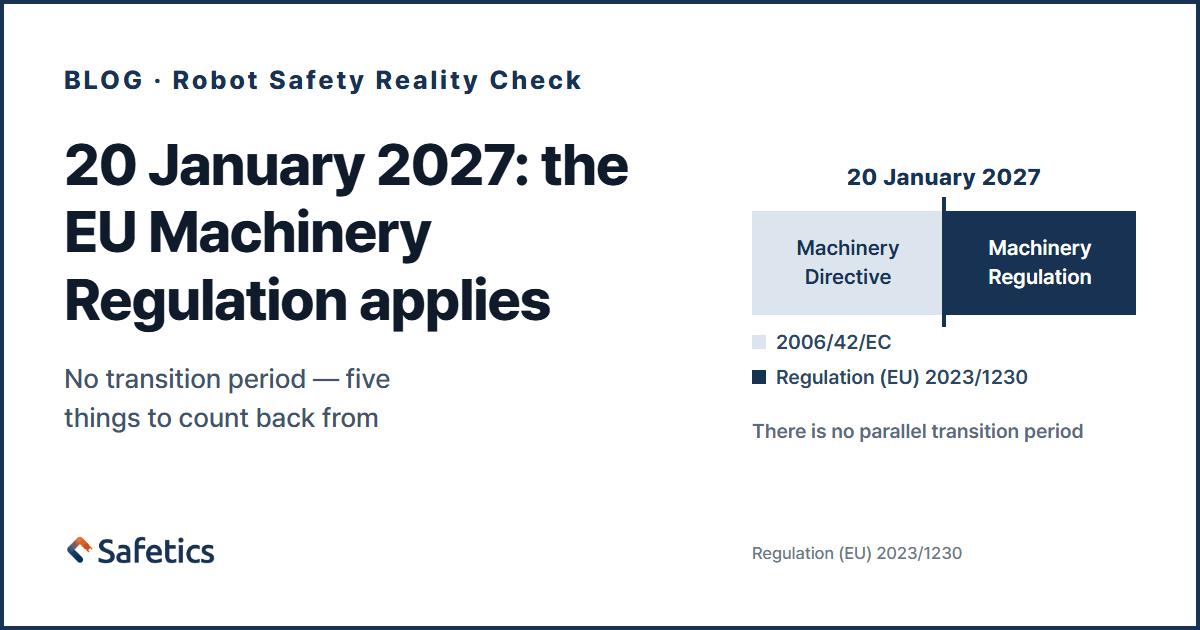
Wherever you go, the preparation is the same. The United States adopted them as its national standard, ANSI/A3 R15.06-2025. The EU fixed 20 January 2027 as the application date of the Machinery Regulation. Korea joins at the same edition when KS harmonization completes. Procedures stay market-specific, but the technical evidence each market asks for comes down to three items.
| Proof | What is examined | Where the criteria come from |
|---|---|---|
| Safety as a configuration | A risk assessment showing that the application configuration is safe — robot, end-effector, workpiece, sensing devices and motion paths taken together, not the robot unit alone | ISO 12100 · ISO 10218-2 |
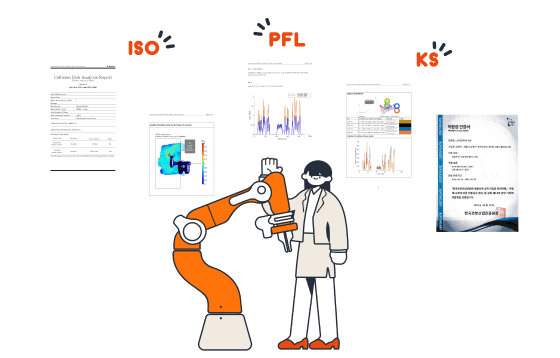
| Safety-function performance | Verification and validation (V&V) demonstrating that the required Performance Level (PL) is achieved | ISO 13849-1 · ISO 10218 |
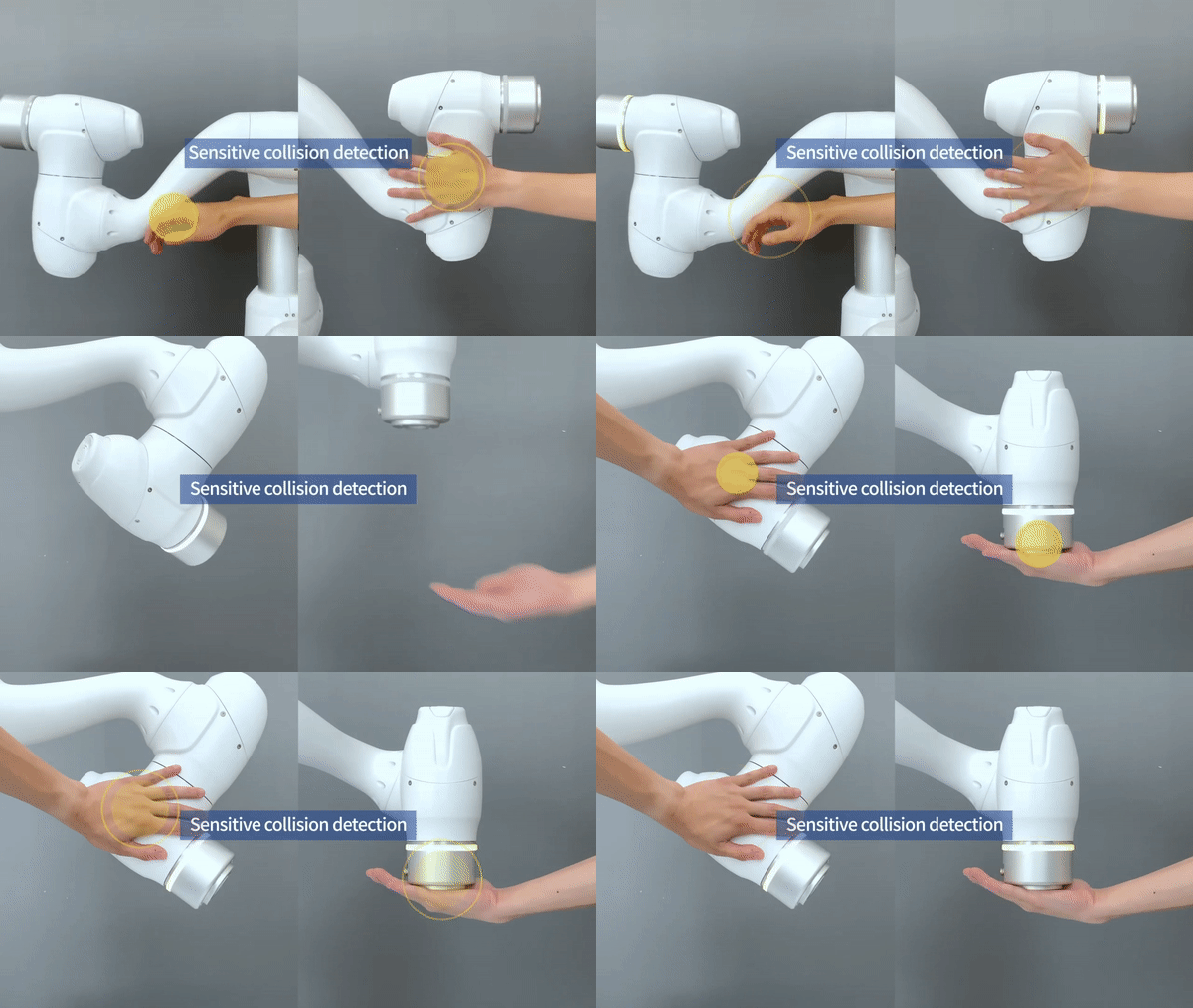
| Contact as a measured quantity | Where the configuration permits human contact, proof in numbers that the contact stays within permissible limits | ISO 10218-2 |
One point inside the second row is easy to miss: responsibility for verifying safety functions splits into two layers. Safety functions built into the robot are verified by the manufacturer, who supplies that information downstream (Part 1). Safety functions and protective measures configured into the application are verified at integration (Part 2). The full convergence structure across the three markets is set out in the 2027 Standards Convergence Report. Both things are true at once: the procedures differ, and the evidence is the same.
Does using a certified robot end the preparation?
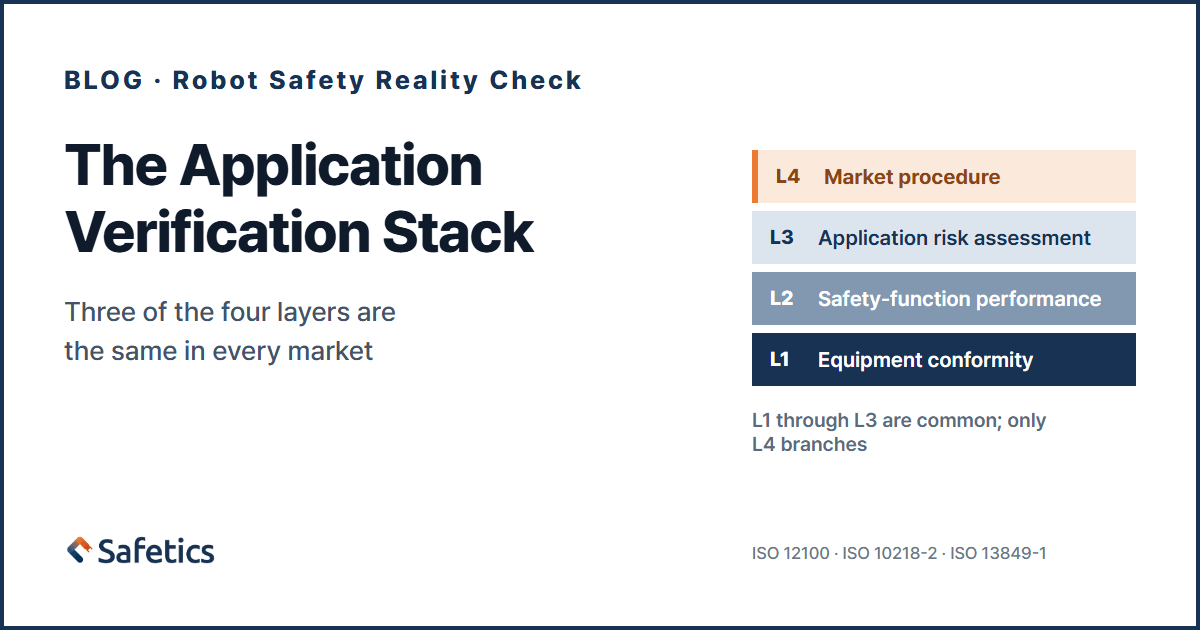
This is where the most common error appears. The fact of "a safety-certified robot" does not substitute for an application risk assessment. Equipment conformity and application verification are different scopes, and a certificate proves only the first. The framework that separates them into four layers is set out in The Application Verification Stack.
The unit of preparation changes with it. Count applications, not robots. Ten robots of one model are separate cases if the applications differ, and reuse one body of evidence if the applications are the same. Start the inventory from headcount of robots and that reuse never becomes visible.
💡 Safetics View
As three markets came to point at the same document in their own ways, the technical question companies receive converged as well — what will you prove this robot application is safe with?
We read that change not as regulatory news but as a question about proving capability. When the same criterion asks for the same evidence, experience in proving against that criterion stops ending at one market. The ability to prove against a shared criterion is not preparation for one country; it is capability you reuse across every market you enter.
Three markets ask for the same technical evidence in three different procedures. The full report sets out what each one requires, and how far the evidence is shared.




.jpg&w=3840&q=100)






.jpg&w=3840&q=100)
.png&w=3840&q=100)
.jpg&w=3840&q=100)